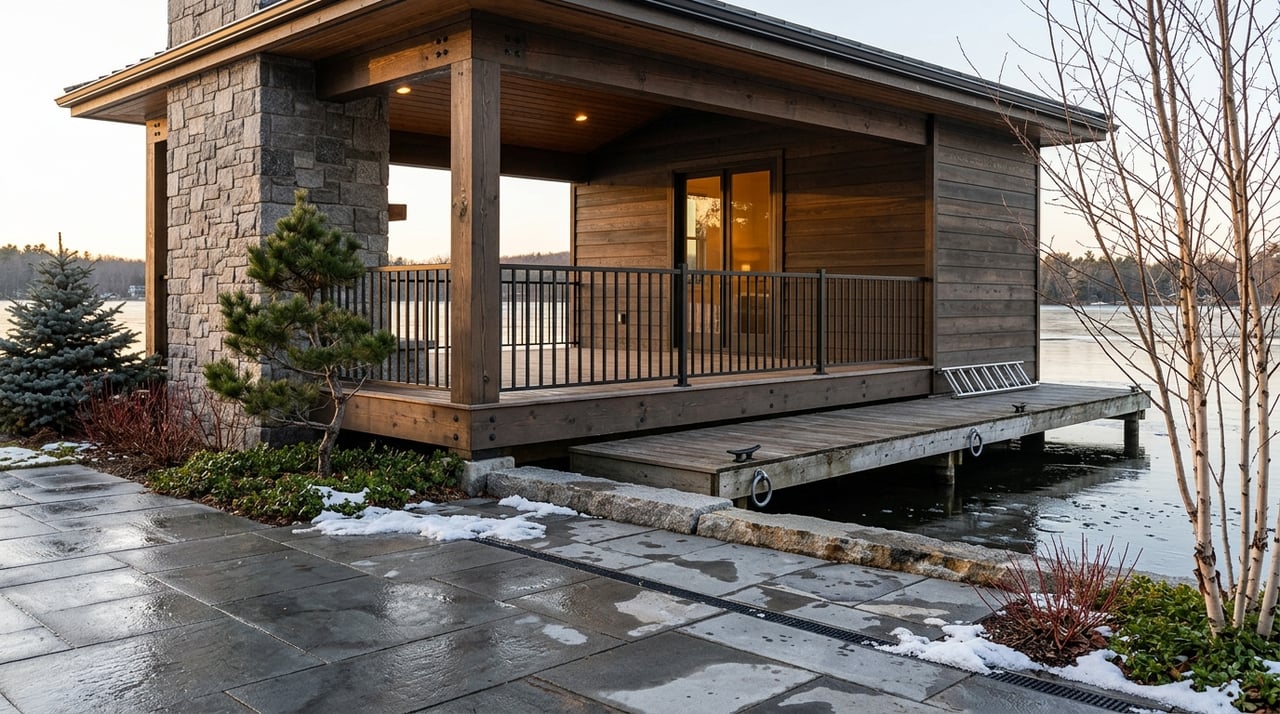
Grand Lake Lakefront Buying Guide For Colorado Retreats
May 14, 2026
May 14, 2026
If you picture a classic Colorado lake house, Grand Lake probably comes to mind. But buying lakefront here is not just about the view. It is also about shoreline rules, winter access, insurance, rental plans, and how you want to use the home in every season. If you are considering a Grand Lake retreat, this guide will help you focus on the details that shape value, usability, and long-term enjoyment. Let’s dive in.
Grand Lake is a small, high-elevation mountain town sitting at 8,369 feet. The town covers 671 acres, and Grand Lake itself is Colorado’s largest and deepest natural lake. Rocky Mountain National Park borders the town on three sides, which gives the setting a rare mix of water, mountain views, and protected natural surroundings.
That setting is a big part of the appeal, but it also creates a different kind of buying decision than you might face in a typical lake market. In Grand Lake, access, seasonality, and local regulations can matter just as much as the shoreline itself. A home that looks perfect in July may feel very different when snow arrives and travel patterns change.
Many buyers first fall in love with Grand Lake in summer. Boating, fishing, beach time, marina access, and the boardwalk all drive warm-weather demand. The town marina offers rental boats, public day-use slips, and a public ramp at East Inlet, which adds convenience for owners and guests.
Still, this is not a summer-only market. Grand Lake also has a meaningful winter season, with snowmobiling, ice-skating, and other winter recreation adding a second peak of use. That can be a major advantage if you want a retreat that feels active and enjoyable beyond the warmer months.
Seasonality also affects logistics. Trail Ridge Road typically closes from the first major snowfall through Memorial Day, which changes how you reach town and how visitors approach the area. Rocky Mountain National Park also requires timed-entry permits from May through October, which can influence travel planning during high-demand months.
A lakefront home should fit how you plan to use it all year. If you want a true four-season retreat, look closely at ease of access in winter, road conditions, and how practical the property will feel in shoulder seasons. In Grand Lake, year-round usability is often part of what separates a beautiful home from a smart purchase.
One of the biggest surprises for buyers is how much shoreline regulation can affect future plans. In the Town of Grand Lake, buildings, parking, snow storage areas, and other improvements must generally stay 30 feet back from the mean identifiable high-water mark. That setback can influence where additions, patios, parking changes, or other improvements may be possible.
If a property has existing shoreline features, you will want to verify what was approved and whether any structures are compliant. Variances are possible, but they require Planning Commission review, public notice to nearby owners, Board of Trustees action, and a non-refundable fee. That means flexibility may exist, but it is not automatic or quick.
In Grand Lake, uncovered boat docks can move forward without a public hearing if they meet zoning requirements. Boathouses and covered boat docks require a public hearing before a building permit is issued. That is an important distinction if you are buying with a vision for a more elaborate waterfront setup.
If you are looking at property on Shadow Mountain Lake, there may be additional U.S. Forest Service requirements. For that reason, it is wise to confirm not just whether a dock or shoreline improvement exists, but whether it has the approvals needed for its current use. This is especially important before you write an offer.
Even a complete application does not move overnight. Town procedures note that complete applications are due 21 days before the next Planning Commission meeting, and staff has 14 days to determine whether an application is complete. If your purchase depends on changing shoreline features soon after closing, timing should be part of your planning.
At this elevation, winter is not a small detail. Snow, freeze-thaw cycles, and seasonal road changes can all affect how comfortably you use and maintain a lakefront home. A property that feels simple to own in summer may require much more effort once temperatures drop.
As you evaluate homes, pay attention to driveway grade, plowing access, roof design, gutters, and signs of ice dam risk. Also look at decks, retaining walls, shoreline hardscaping, and other outdoor features that face repeated freeze-thaw stress. These are practical details, but they can have a real effect on upkeep and ownership costs.
Grand Lake’s local rules offer a useful clue about what matters in this environment. Town requirements for nightly-rental site plans include both parking and snow storage, and snow storage must equal one-third of the parking area. Town parking standards also note that snow-storage areas should not drain directly into a stream, creek, lake, or ditch without a water-quality control device.
Even if you do not plan to rent the home, those standards reflect local reality. Snow has to go somewhere, and drainage planning is part of owning well near the water. A lot that looks generous in summer may feel tighter in winter if parking, snow placement, and guest access compete for space.
Insurance should be part of your due diligence, not an afterthought. Colorado’s Division of Insurance advises homeowners to ask about rebuild cost, roofing materials, freeze protection, wildfire defensible space, and loss-of-use coverage. It also notes that flood damage is not covered by a standard homeowners policy.
In Grand Lake, wildfire mitigation matters too. Grand County encourages Firewise practices and defensible space, and Colorado State Forest Service guidance highlights features like a Class A roof, clearing leaves and needles from roofs and gutters, screening vents with 1/8-inch mesh, and keeping combustibles away from the home. These items can affect both safety and insurability.
In some parts of Colorado, insurance availability and affordability have become more challenging. The state notes that the Colorado FAIR Plan may be an option when traditional coverage is unavailable. For a lakefront buyer, the practical takeaway is simple: ask early whether coverage is available, on what terms, and whether mitigation work may be required before a policy can be bound.
If you may use your Grand Lake property as a short-term rental, location within the area matters a great deal. Inside the Town of Grand Lake, a dwelling rented for fewer than 30 consecutive days needs a Nightly Rental License. The town also requires an annual fire inspection report, proof of insurance, a site plan, HOA approval if applicable, on-site parking, snow storage, a local emergency contact within a 45-minute drive, and notice to neighbors within 100 feet.
Outside town limits, unincorporated Grand County uses a different short-term rental permit system. The county requires annual registration, proof of liability insurance, a parking plan, bear-proof trash disposal, and two local emergency contacts who are Grand County residents and can respond within one hour. The county also caps maximum occupancy at 16.
This town-versus-county split is one of the most important diligence items in the Grand Lake area. Two properties that look similar online may have very different rental compliance requirements depending on which jurisdiction they fall under. If rental income is part of your ownership plan, confirm the property’s location and requirements before you move forward.
Before you make an offer on a Grand Lake lakefront property, it helps to ask focused questions that reflect local conditions.
These questions can help you understand not just whether a property is attractive, but whether it fits your lifestyle and ownership goals.
The best Grand Lake purchases usually balance lifestyle with practicality. You may want the view, the dock, the deck, and the sense of escape. But you also want confidence that the property works in winter, can be insured on acceptable terms, and supports the way you plan to use it.
That is especially true in a market where lakefront inventory can be limited and emotion runs high. A clear, local due diligence process helps you protect your investment while still pursuing the kind of Colorado retreat you actually want to own.
Whether you are searching for a refined second home, a legacy family retreat, or a property with short-term rental potential, Grand Lake offers a rare lifestyle. The key is knowing how to evaluate the details behind the scenery. If you want experienced guidance on Grand Lake lakefront properties and the broader Grand County resort market, connect with Laura Zietz for a private consultation.
Whether you’re looking to buy or sell – let Laura show you the way.

LAURA ZIETZ
78977 US Highway 40 Winter Park CO 80482