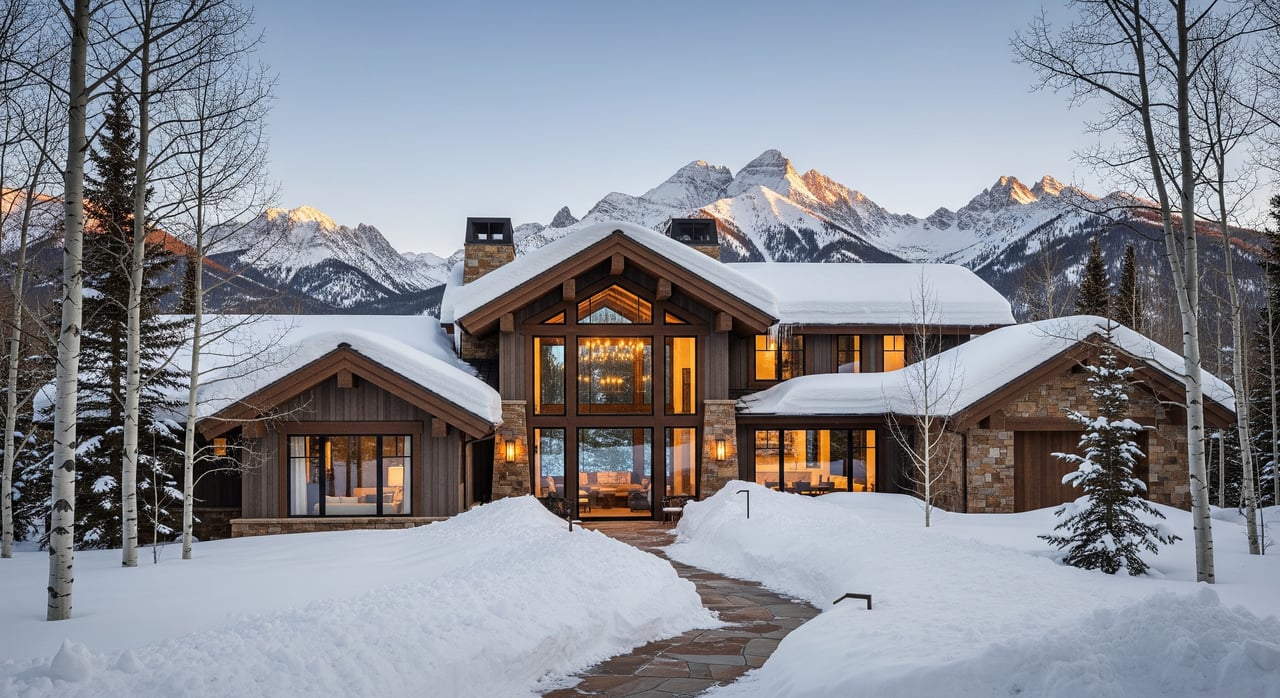
How Winter Shapes Granby Real Estate Seasonality
January 1, 2026
January 1, 2026
Planning a ski trip to Granby and wondering if winter is the right time to buy or sell? You are not alone. Winter brings big swings in demand, tight schedules, and weather that can help or hurt your plans. In this guide, you’ll learn how ski season and holidays shape showings, inventory, offers, and timing, plus practical steps to prepare. Let’s dive in.
Granby sits near Granby Ranch, Winter Park, and Rocky Mountain National Park, so winter recreation drives a surge in interest. Many buyers time property tours with ski trips and holiday breaks, which concentrates showings into weekends and school holidays. You also see more second‑home and investment buyers focused on rental potential during high‑demand months. At the same time, snow and shorter days reduce casual visits, so most showings are scheduled and purposeful.
Winter also highlights property strengths and weaknesses. Turn‑key, ski‑friendly, and rental‑ready homes tend to attract faster offers. Homes with access issues or deferred maintenance can sit longer because winter makes heating, parking, and snow management more visible.
Many sellers bring homes to market before or right as lifts start spinning to catch early‑season traffic. This creates a mini wave that sets the tone for winter.
Showings often spike from mid‑December through February, especially on weekends and holiday weeks. Out‑of‑area buyers tour multiple homes in tight windows and may write offers quickly on well‑priced listings.
As winter winds down, inventory often rises. Some sellers reprice or relist, and buyers who paused during holidays re‑engage. This can create more choice but also more comparison.
If you are visiting for a short stay, expect to tour several homes in one day. For the right property, be ready to act within 24 to 48 hours. Competitive listings may see escalation clauses and multiple offers, especially if they are furnished and rental‑ready.
Plan for heating, snow removal, winter maintenance, and insurance considerations tied to cold‑weather exposure. If a driveway or road requires special clearing, clarify contract costs and response times. Ask for recent utility bills and snow‑removal arrangements to understand seasonal expenses.
Financing can take longer if appraisers or inspectors face storm delays. Lenders may ask for proof that heating and insulation are adequate. Resort areas often see a higher share of cash offers, which can affect how you position your terms.
Furnished homes and those set up for short‑term rentals tend to draw more attention in winter. Clarify what stays, from furniture to linens and appliances, and confirm any rental bookings that affect occupancy.
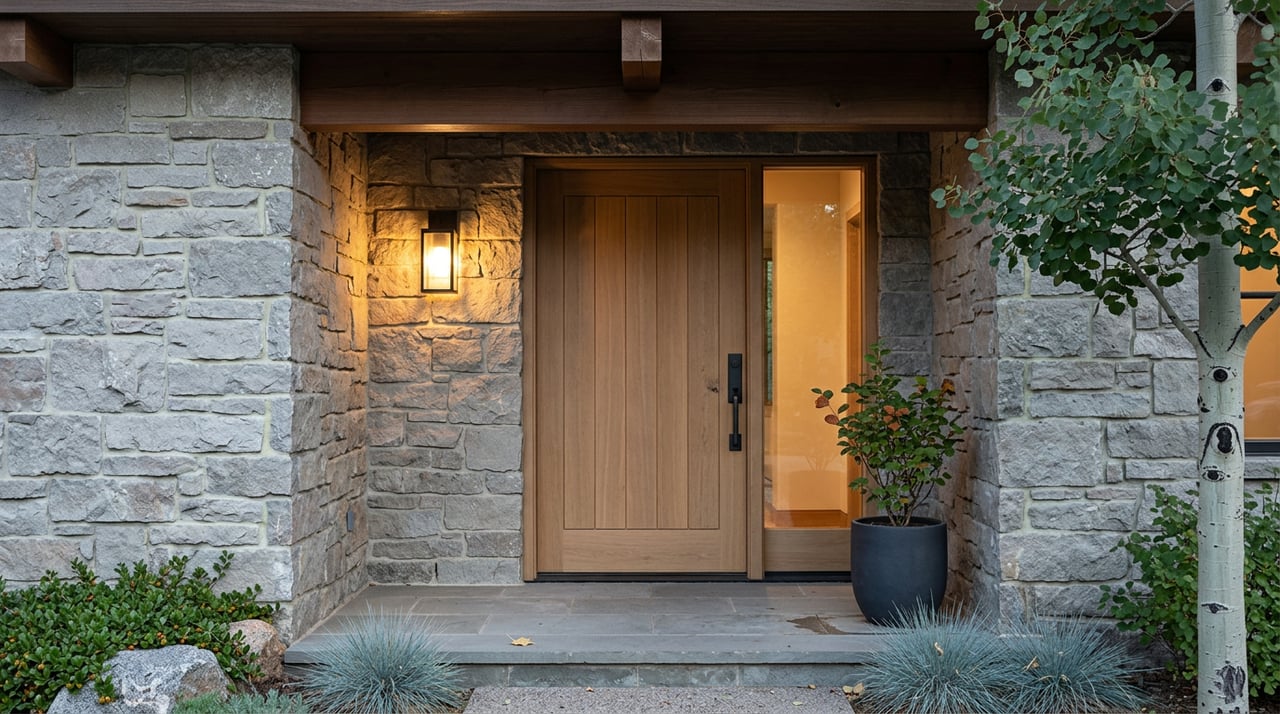
Clear driveways and walkways, mark parking, and keep exterior lights on for shorter days. Warm interiors, bright lighting, and a clean entry point make a strong first impression. Show that access is simple even after a storm.
Highlight ski storage, mudrooms, garage or gear space, and proximity to lift access or trailheads. If you have winter upgrades like insulation, heating, or ice‑dam prevention, make those benefits clear in your materials.
Well‑priced, turn‑key homes can move quickly in ski season. If you miss the early‑season window, consider how late winter or early spring positioning might affect your competition and exposure.
If you have seasonal bookings, note them upfront. Buyers may request accelerated closings to enjoy the season or negotiate rent‑back or occupancy agreements. Flexibility around rental schedules can strengthen your position.
Winter brings a mix of second‑home buyers, investors, and local primary buyers. On desirable listings, you may see faster offer timelines, higher earnest money, shorter inspection periods, and limited contingencies. Sellers sometimes secure concessions like furnishings or closing dates that honor existing rental contracts. Buyers can often negotiate credits for winter‑related maintenance or energy upgrades.
Storms can postpone showings, appraisals, and inspections. Build time buffers into your contract and communicate early about access and scheduling.
Heavy snow can limit roof, yard, septic, or drainage checks. Consider a winter addendum that allows a spring re‑inspection or an escrow holdback for deferred items.
Many out‑of‑area buyers use wire transfers and remote notarization. Confirm your lender’s timing and the closing team’s remote processes to prevent last‑minute surprises.
If you plan to rent, verify local short‑term rental rules, permitting, taxes, and any inspection standards in Granby and Grand County before assuming income. Many resort properties sit in HOAs with specific rules on rentals, winter maintenance, and guest parking. Review HOA bylaws and seasonal assessments with care.
Winter in Granby rewards preparation and speed. You benefit from a trusted advisor who understands ski‑season traffic, rental dynamics, and how to structure offers that close smoothly despite weather. As a senior real estate advisor with LIV Sotheby’s International Realty, Laura Zietz offers a high‑touch, concierge approach, data‑driven guidance, and polished marketing that reaches qualified buyers across Grand County and beyond. Whether you are seeking a turn‑key ski condo, a single‑family mountain home, or an investment with rental potential, Laura can align timing, access, and terms to your goals.
Ready to move confidently this winter? Request a private consultation with Laura Zietz for tailored strategies, off‑market opportunities, and a smooth plan from first showing to closing.
Whether you’re looking to buy or sell – let Laura show you the way.

LAURA ZIETZ
78977 US Highway 40 Winter Park CO 80482