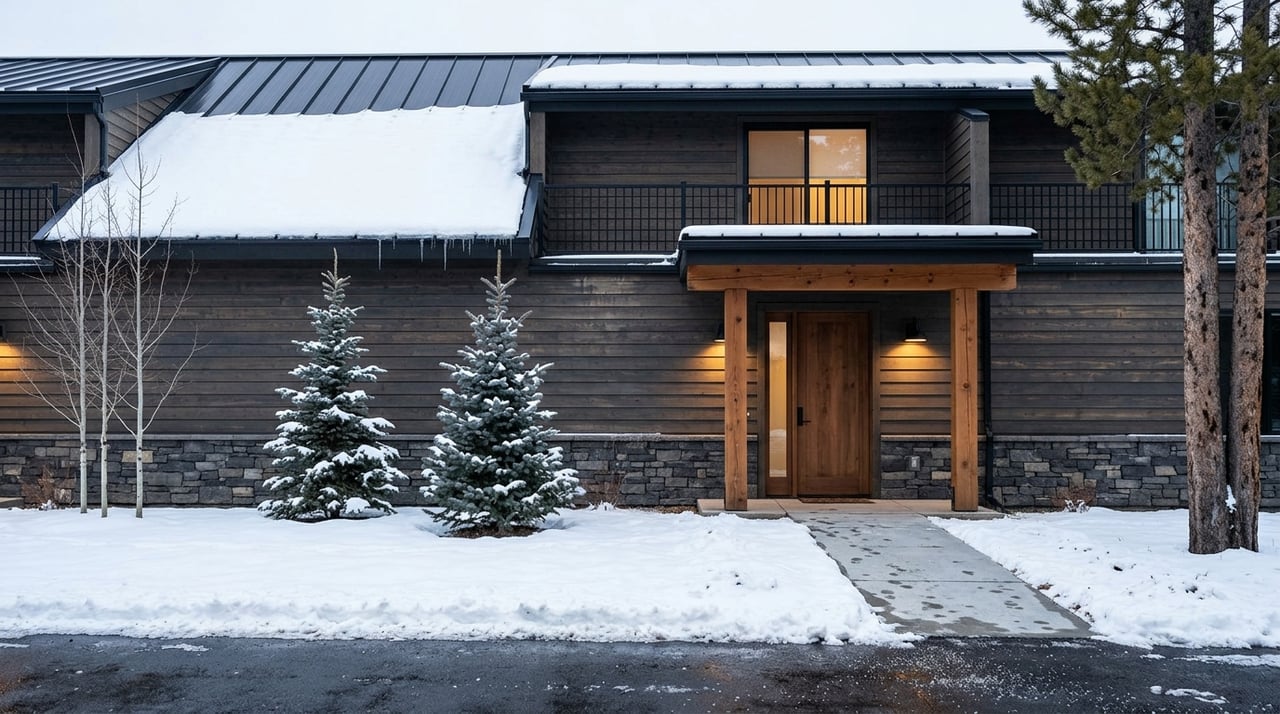
You see “ski‑in/ski‑out” on a Winter Park listing and imagine clipping in at your door. The reality can be different from one building to the next. In Winter Park, the term ranges from true on‑piste access to a short walk or shuttle that still feels easy once you are here.
In this guide, you will learn what ski‑in/ski‑out means locally, how the resort’s terrain and village layout impact access, and exactly how to verify claims before you tour. You will also get a clear checklist to weigh convenience, views, price, and ongoing costs. Let’s dive in.
What ski‑in/ski‑out means here
Broadly, a ski‑in/ski‑out property lets you ski from the home to the ski area and ski back without using a car. In Winter Park, listings and rentals sometimes stretch the term to include a short walk, an on‑snow traverse, or use of a resort path or stairs.
You may also see related phrases:
- Ski‑to or ski‑out: you can ski from the property to a lift, run, or groomed trail.
- Ski‑back or ski‑in: you can return to the property on skis, sometimes via a connector or ungroomed path.
- Slope‑side or close to slopes: a short walk or shuttle, not direct ski access.
- Deeded access or private access: a recorded right of way to cross land to reach the ski area.
The key is to verify what is promised. Ask whether the route is on in‑bounds resort terrain, whether it is seasonal or maintained, and whether legal access is guaranteed by a recorded easement or HOA agreement. Cross‑check claims against the official Winter Park Resort mountain report and trail map.
How layout affects access
Winter Park Resort has multiple base zones and lift hubs. Properties near beginner terrain and a main base often offer the most straightforward access. Homes near steeper terrain, including areas by Mary Jane, can require more skill to ski back, even if the building sits near the run.
Connector infrastructure matters. Pedestrian routes, a gondola or lifts, and town or resort shuttles can turn a short walk into a quick ride to the base. Review the Town of Winter Park transportation resources and confirm winter schedules that serve the specific neighborhood you are considering.
Terrain, grade, and seasonality
Gentle, groomed corridors near base areas are the most beginner‑friendly. Steeper pitches can make a ski‑back tricky for some skiers, even when the map distance looks short. Topography also matters. A property just above a run might require a climb up steps. A property just below a run can require a flat walk once you pop off skis.
Season and grooming influence day‑to‑day convenience. Short connectors depend on snowmaking and grooming, especially early or late season. Check current conditions on the Winter Park Resort mountain report before you rely on a “glide to the lift” description.
Access categories to expect
When you compare listings, you will usually find four levels of convenience:
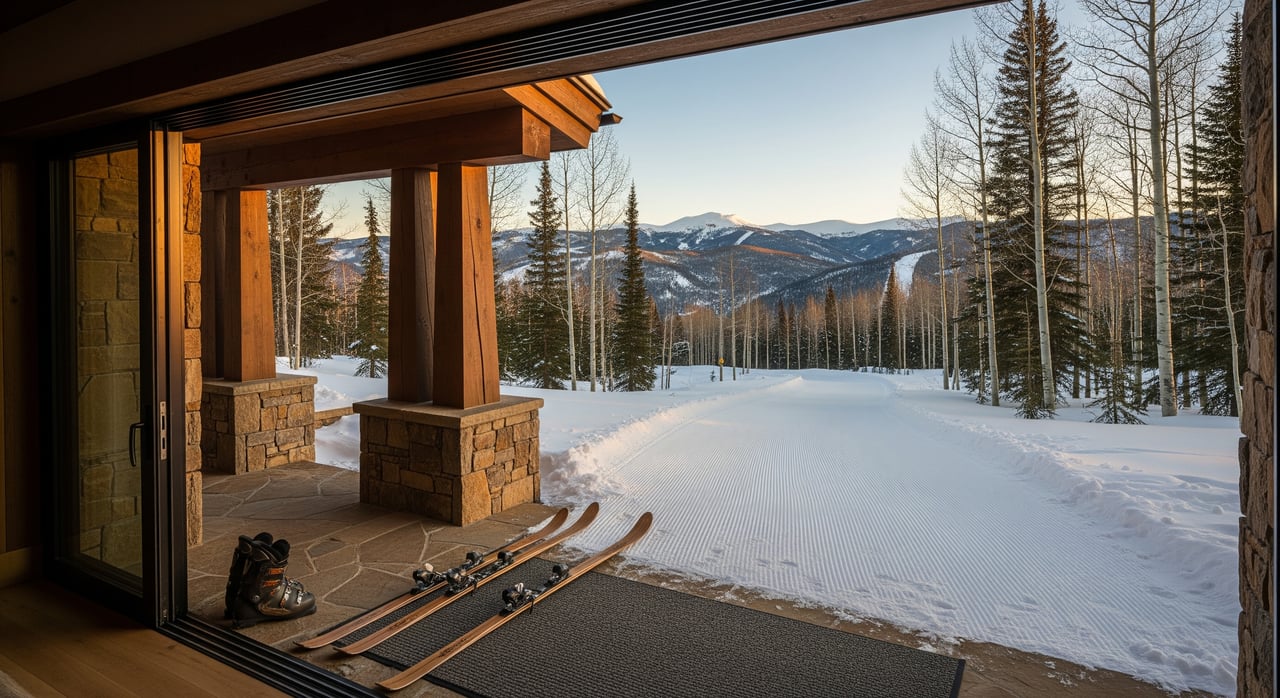
- Immediate or doorstep: step out, clip in, and glide a short, flat area to a groomed run or lift. Highest convenience and price premium.
- Short glide or short walk: a 1 to 5 minute ski or walk, sometimes with stairs or a brief grade. Very workable for most skiers.
- Connector or shuttle required: a pedestrian path, shuttle, or gondola links you to lifts. Adds time but often improves options and price.
- Nearby: marketed as slope‑side yet requires more than a 5 to 10 minute walk or crossing roads or parking. Lower convenience, sometimes better value.
Grade is just as important as time. A quick uphill walk in boots can feel long with gear, and a long flat glide can be awkward on skis. Test the profile on site when possible.
Tradeoffs to weigh
- Convenience vs price: true doorstep access usually commands a premium. Slightly removed options can offer better space or finishes for the same budget.
- Views and privacy vs hub activity: closer to lifts means more people and base noise. Higher or set‑back homes can offer bigger views and quiet, with added logistics.
- Storage and parking: on‑site ski lockers, boot rooms, and covered access make a big difference. Some slope‑side buildings limit parking.
- Seasonal rental potential: reliable ski access and on‑site amenities often improve short‑term rental performance.
- HOA and maintenance: slope‑side buildings can have higher dues due to snow management, shared infrastructure, and heavy guest use.
How to verify before you buy
Use this simple due‑diligence workflow to confirm what you are getting.
- Map and operations check
- Compare the listing’s described route to the official Winter Park Resort mountain information. Note lift orientation, terrain classification, and grooming patterns.
- Confirm whether the nearest lift typically operates early and late season and whether wind or snow often impacts it.
- Legal access and records
- Route testing, in season when possible
- Walk the exact path in boots and time it both directions. Note stairs, bridges, or road crossings.
- If you can, ski the return route on a typical day. Decide whether beginner or intermediate guests can comfortably manage it.
- Infrastructure and services
- Confirm on‑site ski lockers, mudrooms, and elevator access for gear.
- Check parking rules, guest spaces, and shuttle stops and schedules through the Town of Winter Park transportation resources or the HOA.
- Safety and seasonality
- Market fit and financials
- Compare price premiums for true ski‑in/ski‑out versus slope‑side walk‑in alternatives.
- Match HOA dues against included services like shuttle, snow management, and building maintenance.
On‑tour checklist
Bring this quick list to your showing:
- Ask the listing agent to point out the precise ski‑out and ski‑back route, including stairs, bridges, or road crossings.
- Confirm whether the route stays on resort in‑bounds terrain or crosses private land.
- Request the recorded access easement or the HOA section that describes slope access.
- Time the walk with winter gear. Note grades, traction, and any icy sections.
- Inspect storage: locker size, boot room, and elevator access.
- Verify where guests park and how many passes are included.
Who benefits from true ski access
If you ski most days and value quick laps, doorstep access is worth the premium. Families with mixed abilities often prefer gentle, groomed corridors close to a main base and ski school.
If you prioritize views, extra space, or value, a short walk or shuttle can be a smart trade. In Winter Park, shuttle and pedestrian links often keep your total door‑to‑lift time low while opening more inventory at a given budget.
Make a confident next step
If you want help sorting which Winter Park buildings and neighborhoods fit your preferred access style, connect with a local advisor who knows the terrain, HOAs, and legal nuances. For a private, concierge consultation tailored to your goals, reach out to Laura Zietz.
FAQs
What does “true ski‑in/ski‑out” mean in Winter Park?
- It typically means you can ski from your door to a groomed run or lift and ski back on in‑bounds terrain without a vehicle or shuttle, supported by a clear, practical route.
How do I confirm legal ski access for a property?
Are early‑season access routes reliable in Winter Park?
How do shuttles impact day‑to‑day convenience?
- A frequent shuttle or pedestrian link can turn a short walk into a quick, predictable commute, so confirm stops and winter schedules with the Town of Winter Park transportation.
Do ski‑in/ski‑out homes rent better in winter?
- Properties with confirmed ski access and on‑site gear storage often perform well for winter rentals, though returns vary by location, amenities, and management.