Request a Private Valuation for Grand Lake Lakefront
January 15, 2026
January 15, 2026
Wondering what your Grand Lake shoreline is really worth without putting your name or address out there? If you own a luxury lakefront home, privacy and accuracy matter just as much as price. In this guide, you’ll learn the exact factors that move value on Grand Lake, how a discreet valuation works, and what to prepare so you get clear answers with zero public exposure. Let’s dive in.
Grand Lake is the largest natural lake in Colorado, sitting on the western edge of Rocky Mountain National Park. Waterfront here is scarce, which creates a structural premium for true shoreline access and clear views. Seasonal interest peaks in late spring and summer, yet high‑net‑worth buyers often purchase year‑round for privacy and lifestyle. Because no two shorelines or sightlines are the same, your property’s value hinges on a handful of details that are easy to overlook.
Unobstructed, wide‑angle lake and mountain views command a premium. Partial or obstructed views reduce value, especially if trees or neighboring structures block key sightlines. Orientation matters too. Sunrise or sunset exposures, as well as protection from prevailing winds that affect wave action and boat wakes, can change buyer demand.
True lakefront with direct shoreline contact is valued higher than homes with a short walk or deeded access. The shoreline’s character matters. Gentle, usable frontage is more desirable than steep, rocky, or erosion‑prone edges. Elevation relative to the waterline affects both usability and exposure to fluctuating levels or storms.
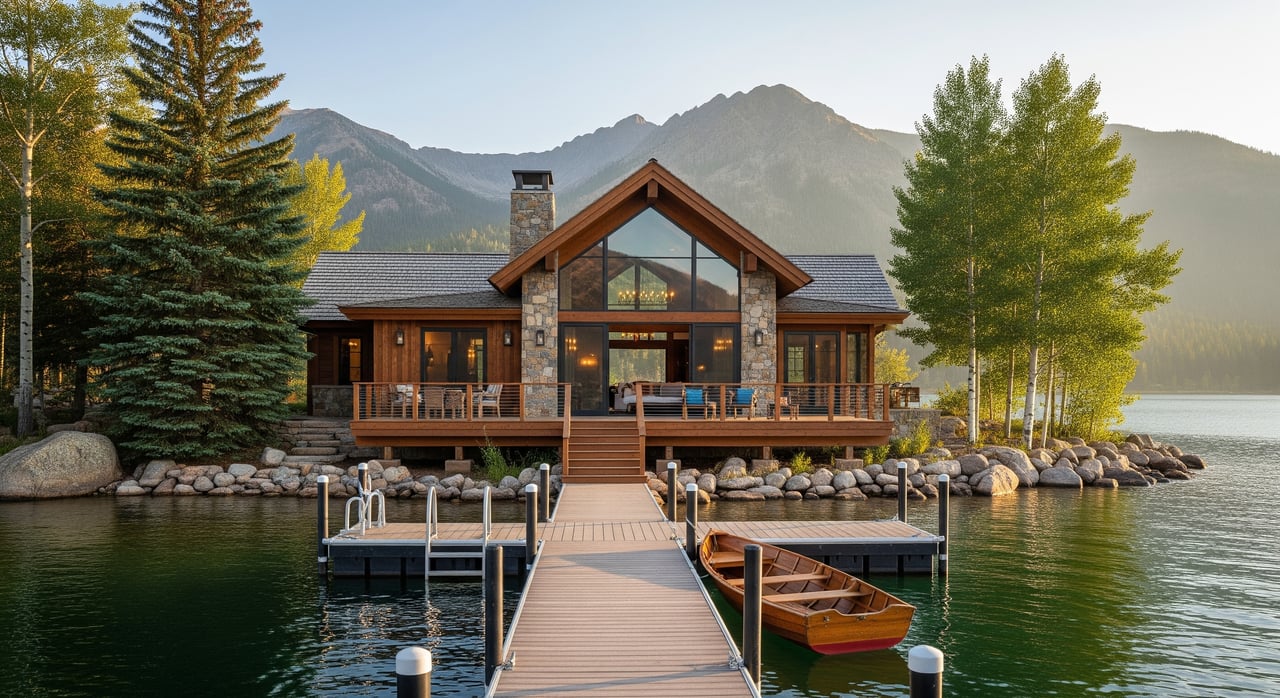
A permitted private dock or boathouse is often one of the strongest value drivers on Grand Lake. Water depth, bottom substrate, and wind protection determine feasibility. Transferable permits and clear documentation add confidence for buyers. If rights or permits are uncertain, value and marketability can suffer.
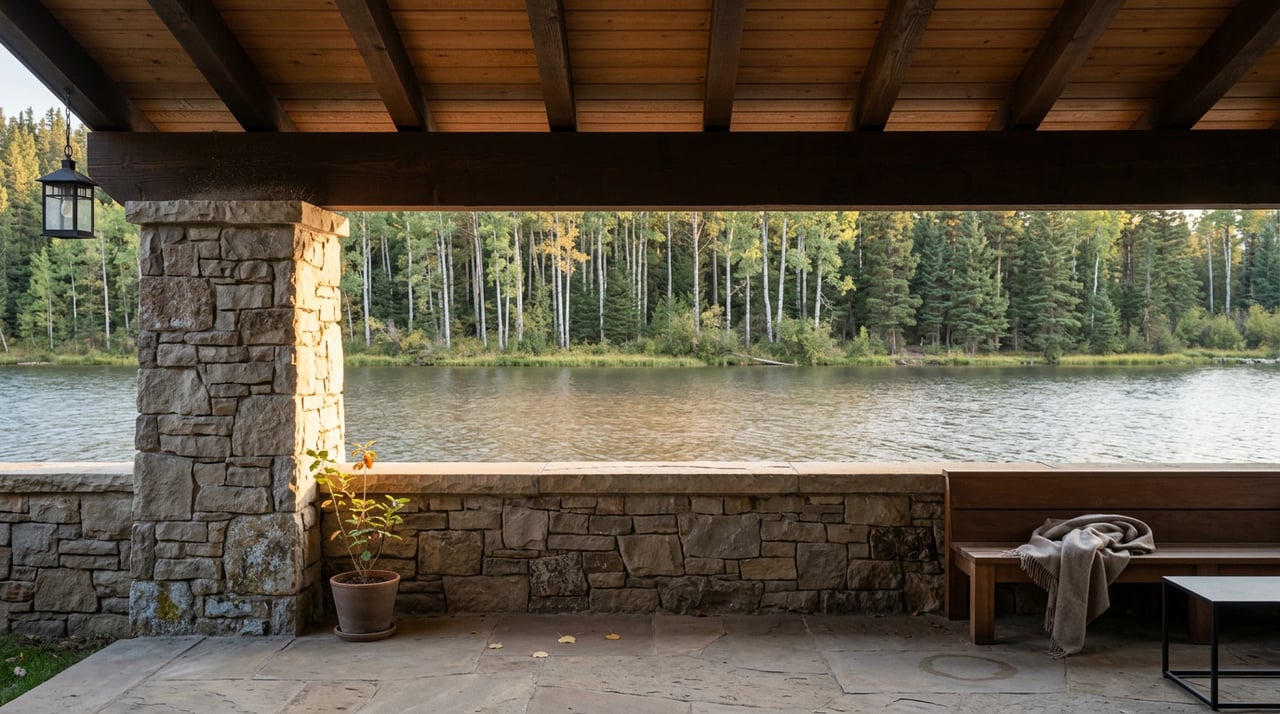
Private drives, gated entries, and distance from public lake access points increase desirability. Shoreline improvements such as seawalls, terraces, a well‑maintained dock, and thoughtful outdoor living areas elevate perceived and actual value. Deferred maintenance on shoreline structures or home systems can reduce price and complicate closing.
Larger lots with developable area above the shoreline support potential expansions, guest space, or generous setbacks. Steep terrain can increase construction costs and limit build envelopes. Setbacks, overlays, and conservation easements can restrict future plans and therefore affect value.
Public water and sewer versus well and septic influence buyer demand and financing. Septic age, condition, and replacement costs are important. Access to utilities like natural gas, broadband, and reliable road maintenance, including winter plowing and year‑round ingress, can strengthen marketability.
Flood zone status, shoreline erosion history, and lake‑level variability affect insurability and lender comfort. Wetlands or critical habitat designations can limit improvements and add permitting complexity. Buyers will weigh risk against lifestyle and adjust offers accordingly.
Short‑term rental demand spikes in summer, but neighborhood rules and local ordinances may limit STR use. If your property is STR‑permitted with a documented income history, the income approach can support a higher effective value. Winter access and year‑round usability also shape demand beyond peak season.
For lakefront, the sales comparison approach is primary, but it requires careful adjustments. On‑water comps with similar view quality, shoreline type, dock rights, and usable frontage are the most reliable. Off‑water or near‑water comps can help illustrate the waterfront premium, but they need larger adjustments for access and views.
Discreet valuations often incorporate confidential data. Recent closed sales from the Grand County MLS, property records from the Grand County Assessor, and town permit files verify facts. Off‑market and pocket‑listing intelligence from local waterfront specialists fills gaps in a low‑inventory luxury segment. When rentals are significant and permitted, the income approach helps cross‑check value. The cost approach can be useful if improvements are newer.
A precise valuation checks the paper trail. Confirm any dock or boathouse permits and whether they transfer. Review recorded easements, right‑of‑ways, or public access along the waterline. Check zoning, setbacks, and any conservation or deed restrictions. Flood maps and elevation certificates help clarify insurability.
Local touchpoints typically include the Town of Grand Lake Planning and Zoning, Grand County Planning and Zoning, the Grand County Assessor and Clerk and Recorder, and the Grand County Building Department. Depending on shoreline and habitat, Colorado Parks and Wildlife, the Colorado Division of Water Resources, the U.S. Army Corps of Engineers, and FEMA may be relevant for rules and mapping.
Gathering a focused package speeds up accuracy and keeps your privacy intact.
Peak showing activity occurs in summer, when the lake and mountain lifestyle are on full display. That said, luxury buyers often transact throughout the year, targeting privacy, timing, or tax planning. The right time is when your home photographs and shows at its best and when you have the documentation in order. A private valuation now can help you plan for a summer launch or prepare for a quiet, off‑market conversation if that fits your goals.
You control the process. A confidential CMA keeps your address and details off public sites. Off‑market outreach can be limited to qualified buyers through trusted local brokers. If you want maximum discretion, request an NDA before any information is shared. You can also start with a limited‑scope or desktop valuation, then move to a site visit only if you choose.
A tailored, private valuation gives you clarity without exposure. You will understand how view, shoreline, dock rights, and access compare to true on‑water comps. You will also know which improvements or documents could lift your price and shorten your timeline. When you are ready, you can decide between a discreet sale or a full market strategy with confidence.
Ready to see what your Grand Lake lakefront is truly worth, privately and on your terms? Request a discreet consultation with Laura Zietz for a no‑pressure, confidential valuation and a clear plan that respects your privacy.
Whether you’re looking to buy or sell – let Laura show you the way.

LAURA ZIETZ
78977 US Highway 40 Winter Park CO 80482