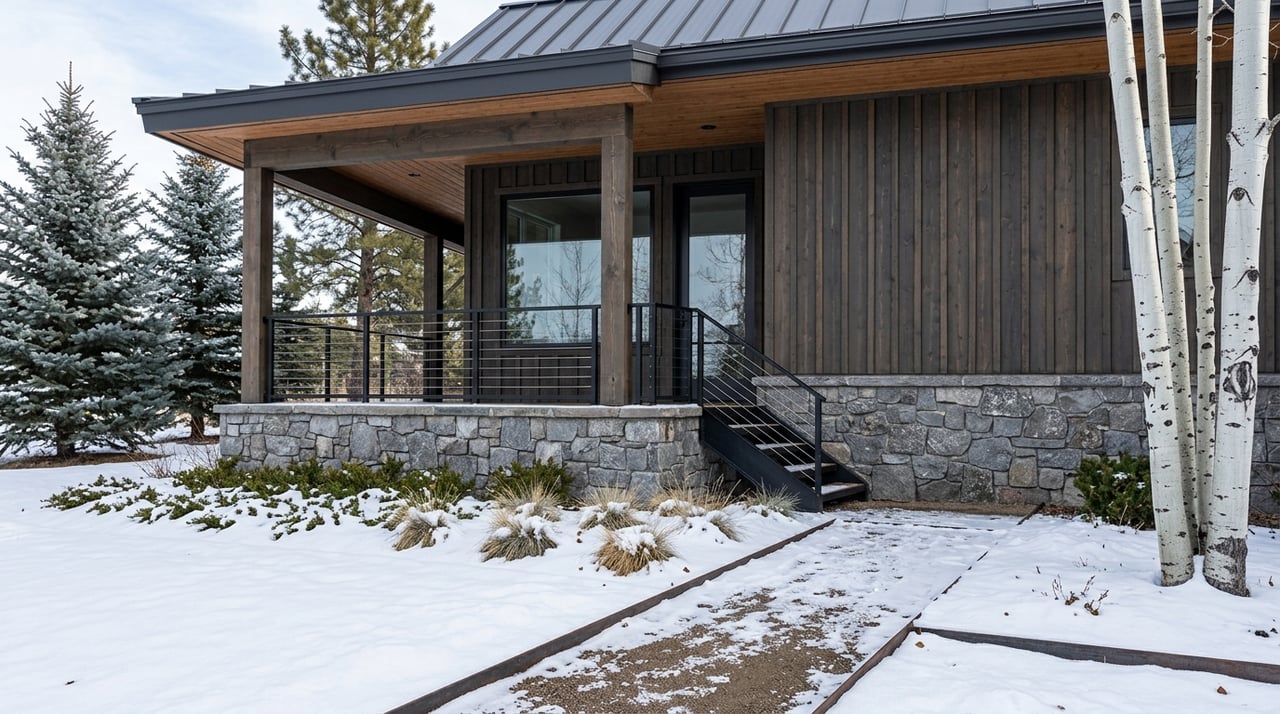
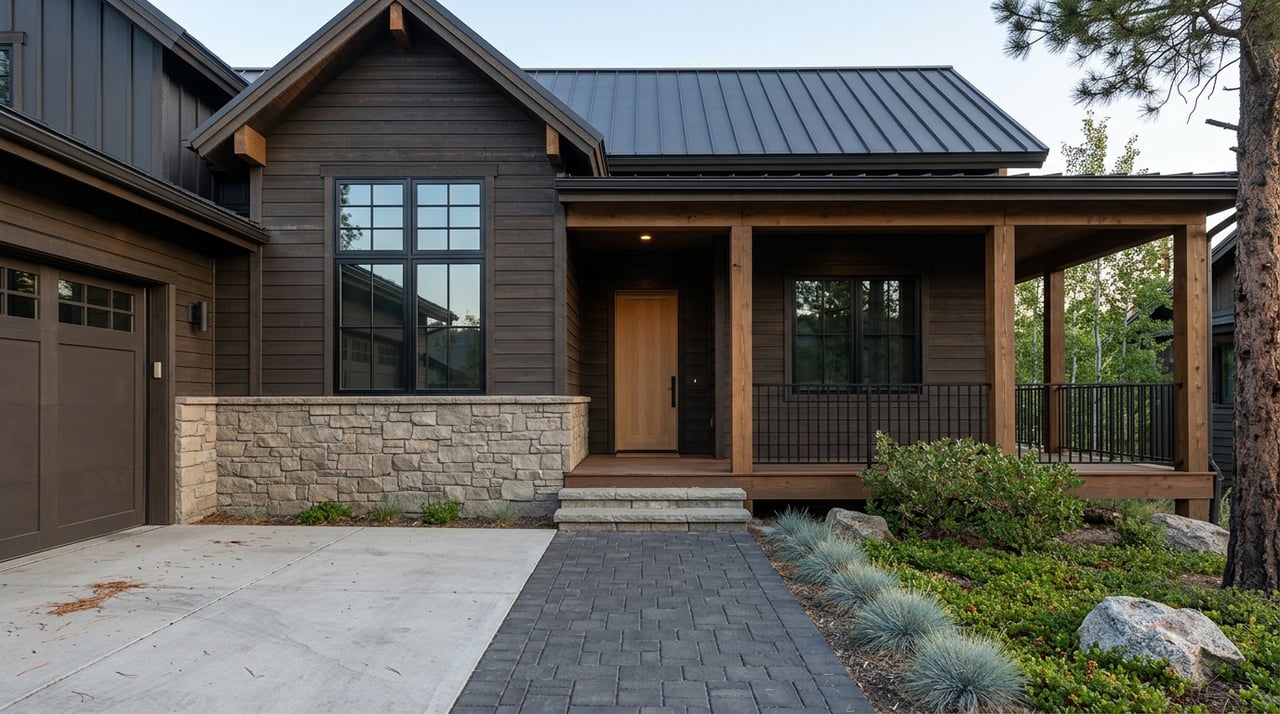
Thinking about a condo near Granby Ranch that can help cover its costs when you are not here? A lock-off may be the most flexible floor plan you can buy in Granby. If you want both personal mountain time and potential rental income, the details matter. In this guide, you will learn what a lock-off is, how layouts work, what to check with HOAs and permits, and how to think about revenue in Granby’s seasonal market. Let’s dive in.
What a lock-off condo is
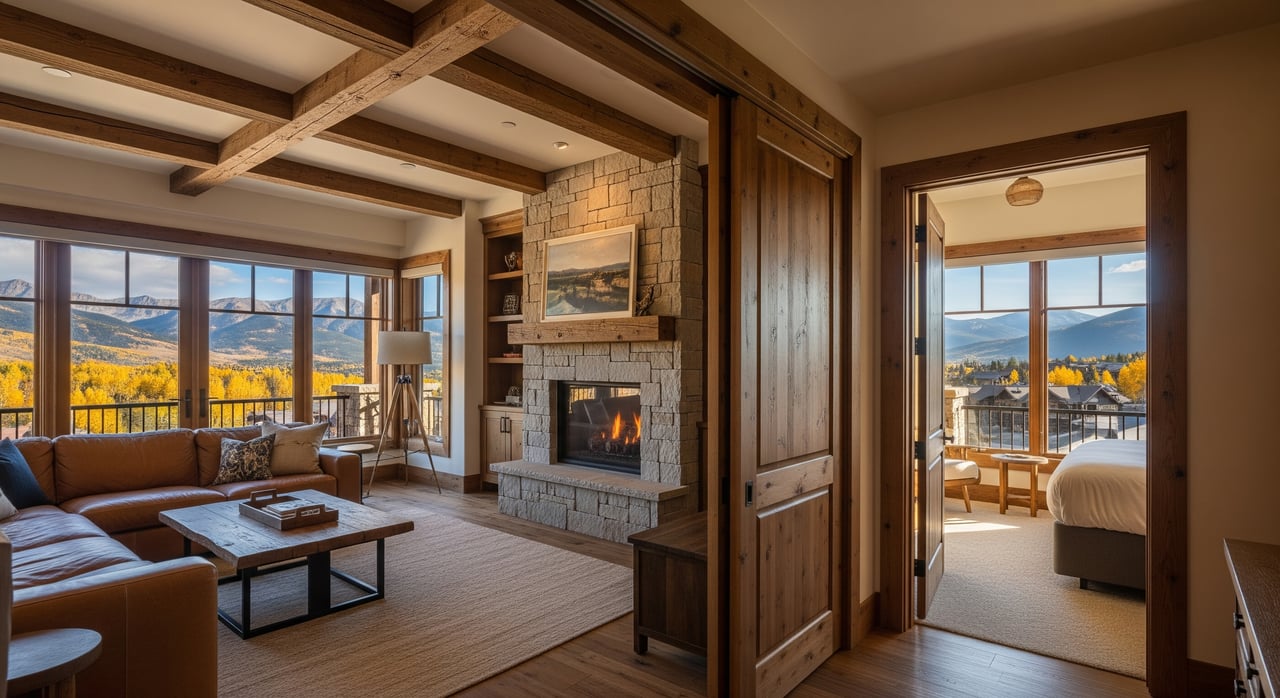
A lock-off condo is one deeded unit designed to split into two separate living spaces using an interior lockable door. Each side typically has its own bedroom and bathroom, and many include a small living area or kitchenette. You can use the full unit as one home, or secure the door and treat each side as its own space.
You will often see lock-offs in resort settings because they offer owner flexibility and rental versatility. They let you stay in one portion while renting the other, or rent both sides separately during peak demand.
Key features to look for
- An interior lockable door that separates two suites.
- Duplicate essentials on each side, such as a bathroom and often a kitchenette.
- Clear labeling in listings like “lock-off,” “lockout,” or “two-key unit.”
- Floor plans that show separate access paths or entries to each portion.
Common Granby layouts
Granby properties near Granby Ranch and in town tend to use a few repeatable lock-off formats. The right layout depends on how you plan to use or rent the space.
Popular formats
- 1+1 style: The unit divides into a studio or efficiency plus a one-bedroom suite.
- 2-way lock-off: A main unit plus a secondary studio with an interior door and sometimes a separate exterior entry.
- Master lock-off: The primary bedroom converts into a self-contained studio when closed off from the rest of the unit.
When you review listings, watch for two sets of amenities, two logical sleeping areas, and clear door placement. These cues help you confirm true lock-off functionality.
How lock-offs work day to day
In most buildings, the dividing door locks from either side using a keyed or coded system. Some projects provide semi-independent access paths for the secondary suite. Others rely on the shared entry and the internal lock.
HVAC, thermostat controls, and utilities may be shared across the full unit or separately metered, depending on the building. This affects guest comfort, expense allocation, and how you manage rentals.
Why Granby buyers choose lock-offs
Lock-offs give you options that fit mountain living. You can enjoy the full condo for family time, then pivot to partial or full rental when you head home. In Granby, that flexibility lines up with seasonal demand from skiing, lakes, and trail access.
Flexible use cases
- Owner use plus rental: Stay in one side and rent the other to offset carrying costs.
- Full rental strategy: During peak periods, rent both sides separately to reach different guest types and maximize combined revenue.
- Family or friends privacy: Give guests their own sleeping area and bath, while keeping access to shared living space when the door is open.
- Short-term or longer bookings: Mix nightly rentals in peak season with longer stays in shoulder periods.
Income potential and seasonality
In many resort markets, two smaller bookings can out-earn one larger booking for the same night. A lock-off lets you pursue that strategy. Actual results depend on demand, management, and costs.
Granby’s calendar is strongly seasonal. Winter draws skiers to Granby Ranch and nearby Winter Park. Summer weekends bring boaters, anglers, and hikers for Lake Granby, Shadow Mountain Reservoir, and Rocky Mountain National Park access. Expect strong winter and summer, with softer shoulder seasons in spring and late fall.
If you plan to model returns, look at comparable nightly rates, occupancy patterns, and cleaning and management fees. Local property managers and short-term rental analytics can help you set realistic assumptions for a pro forma.
Rules to verify: HOA and permits
Before you rely on rental income, confirm the rules. In Granby and across Grand County, short-term rental policies vary by HOA and by jurisdiction.
HOA items to confirm
- Rental policy: Some associations allow nightly rentals. Others require minimum stays, limit frequency, or prohibit STRs.
- Dues and assessments: Ask how dues are allocated and whether lock-off use changes any fees.
- Amenity access: Confirm whether each side of a split rental can access amenities and how separate check-ins are handled.
- House rules: Review occupancy limits, noise standards, parking, and trash policies that affect guest stays.
Local permitting and jurisdiction
- The property may fall under the Town of Granby, Grand County, or both. Always confirm the correct jurisdiction for the address.
- Typical requirements include STR registration or permit, safety inspections, a business license, lodging tax collection, a local contact, and posted emergency instructions.
- Municipalities can impose fines or restrict renewals for noncompliance. This can reduce or halt your rental income.
Taxes, insurance, and financing basics
Short-term rentals come with specific tax, insurance, and lending considerations. Understanding them early will help you plan with confidence.
Taxes
- Lodging taxes: STRs usually must collect and remit state and local lodging taxes. Rates vary by jurisdiction.
- Income taxes: Rental income is taxable and may be subject to Colorado state tax. Ask a tax advisor about deductions, depreciation, and passive activity rules.
- Sales tax: Some places require sales tax on certain rental services.
Insurance
- A standard condo HO-6 may not cover short-term rental liability without an endorsement.
- Many owners add vacation rental coverage or a commercial liability rider, and some managers require it.
- Review the building’s master policy for any STR exclusions.
Financing
- Lenders look closely at condo projects with a high share of rentals. Project approval can affect loan options.
- If you plan to rent one or both portions regularly, a lender may classify the property as a second home or an investment, which can change your rate and down payment.
- Investment property loans often require more money down and carry higher rates than owner-occupant loans.
Key trade-offs to weigh
Lock-offs offer real versatility, but they add moving parts. Knowing the trade-offs will help you align the property with your goals.
- Flexibility vs complexity: Separate turnovers, guest check-ins, and maintenance schedules require tighter operations.
- Furnishings and wear: Nightly rentals bring higher furniture and inventory replacement costs.
- Privacy vs income: Sharing the unit with paying guests can reduce privacy if you plan to use one side at the same time.
- Resale dynamics: Lock-offs attract many second-home buyers and investors, while some buyers prefer a conventional plan.
- HOA and policy risk: If an HOA or jurisdiction restricts STRs, the lock-off’s rental value may be limited.
Due-diligence checklist
Use this practical list to verify details before you write an offer or rely on projected income.
- Confirm the lock-off:
- Verify the interior lockable door and any required hardware.
- Check whether you can legally rent the two portions separately under HOA rules and local law.
- Request HOA documents:
- CC&Rs, bylaws, rules, rental policy, meeting minutes, reserve study, insurance certificate, current budget, and assessment history.
- Short-term rental permits and taxes:
- Ask for any prior permits and confirm lodging tax history.
- Call the Town of Granby and Grand County to confirm current rules for the address.
- Insurance quotes:
- Price an HO-6 with STR or commercial endorsements and verify any manager requirements.
- Financial modeling:
- Build pro forma scenarios for owner-only use, partial rental, and full rental with conservative occupancy that reflects seasonality.
- Include HOA dues, utilities, cleaning, management, maintenance, taxes, and vacancy.
- Market comps and demand:
- Compare to similar units near Granby Ranch and lakes. Ask local managers about rates and occupancy.
- Lender check:
- Confirm project approval status and how intended use affects loan type, rate, and down payment.
- On-site inspection:
- Review locks and keys, emergency signage, parking allocations, noise mitigation, and any prior work that might have required permits.
- Property management:
- If not self-managing, interview local managers and request a sample P&L, occupancy expectations, fees, and emergency protocols.
Who a lock-off fits
A lock-off is a smart fit if you want a second home that can adapt to your plans and the season. It works well if you plan to split personal use with rentals and value the option to host different guest types.
Granby buyers who benefit most tend to be second-home owners seeking cost offset, investors looking for seasonal STR returns with local management, and families who want private sleeping wings for visiting relatives.
Next steps
If a lock-off sounds like the right fit, start by clarifying your use plan and budget, then verify HOA and permitting details for specific buildings near Granby Ranch or in town. From there, build a conservative pro forma and line up the right financing and insurance.
When you want hands-on guidance, local comps, and a curated list of lock-off opportunities, connect with Laura Zietz for a private consultation. You will get clear advice tailored to Granby and Grand County, from selection and valuation to management introductions and closing.
FAQs
What is a lock-off condo and how is it different from a regular condo?
- A lock-off is one deeded condo designed to split into two secure suites with a lockable interior door, each with its own bed and bath, which allows separate use or rentals.
Can you short-term rent a lock-off condo within the Town of Granby limits?
- It depends on the HOA rules and the correct jurisdiction’s permit requirements, so you must confirm both the association policy and the Town of Granby or Grand County process for the address.
How much income can a Granby lock-off condo make in a year?
- Income varies by seasonality, location, amenities, management, and pricing, so build pro forma scenarios using local comps and conservative occupancy assumptions.
What HOA documents should I review before buying a lock-off in Granby?
- Request CC&Rs, bylaws, rules, rental policy, meeting minutes, budgets, reserve study, insurance certificate, and the history of any special assessments.
Do lenders treat lock-off condos differently for mortgage financing?
- Many lenders evaluate project approval and intended use, and may classify regular rentals as second home or investment use, which can change the rate and down payment.
What insurance do I need if I rent out a lock-off as a short-term rental?
- In addition to a condo HO-6, owners often add vacation rental or commercial liability coverage, and should confirm the building’s master policy and manager requirements.